AI Crypto Scam
An AI crypto scam uses artificial intelligence to create sophisticated cryptocurrency fraud including deepfakes, cloned voices, and personalized phishing.

What Is an AI Crypto Scam?
An AI crypto scam uses artificial intelligence tools to create sophisticated cryptocurrency fraud that’s becoming harder to detect. Scammers leverage AI to generate realistic phishing messages, deepfake videos, cloned voices, fake customer support chats, and automated scam campaigns that can target thousands of victims simultaneously.
How It Works
AI has become a scammer’s dream toolkit:
- Attackers now use deepfake technology to create videos of crypto founders announcing fake giveaways or “urgent security updates”
- They clone voices to impersonate executives on video calls, tricking employees into approving fraudulent transactions
- AI-written messages are personalized to each victim, making phishing emails and DMs seem incredibly legitimate and trustworthy
- The automation aspect is particularly dangerous. AI bots can manage conversations across dozens of platforms simultaneously, responding to victims in real-time with context-aware replies that build trust. These scams often lead victims toward malicious wallet approvals, fake airdrop scams, or wallet drainer sites that empty their funds instantly
In 2024 and 2025, AI-enhanced impersonation campaigns targeting crypto founders and exchanges resulted in millions in losses. One notable case involved deepfake videos of a prominent exchange CEO announcing a fake token giveaway, which fooled thousands of users. The scary part? The technology is getting cheaper and easier to use, meaning scam volume and sophistication continue rising rapidly.
In 2026, investigators uncovered a fake Google Gemini chatbot that encouraged users to buy a bogus Google coin.
How to Protect Yourself
- Always treat urgent messages and “support” outreach with extreme skepticism—real support teams rarely initiate contact
- Verify any announcements through multiple official channels, not just one source
- Never trust a video or voice call alone; confirm through text-based official channels
- Understanding common Web3 phishing and social engineering patterns is your best defense against these evolving AI-powered threats
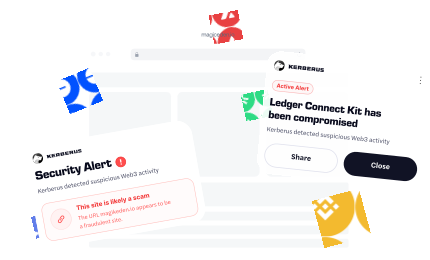
- Use Web3 security tools like Kerberus for real-time protection and warnings when interacting with Web3 platforms
Written by:
Werner Vermaak is a Web3 author and crypto journalist with a strong interest in cybersecurity, DeFi, and emerging blockchain infrastructure. With more than eight years of industry experience creating over 1000 educational articles for leading Web3 teams, he produces clear, accurate, and actionable organic material for crypto users.
- •8+ years in crypto & blockchain journalism
- •1000+ educational articles for leading Web3 teams
- •Former content lead at CoinMarketCap, Bybit, OKX
Related Terms
See more glossary terms


Install once & immediately get protected from scams, phishing and hacks. Zero losses for 250k+ users in 3 years. Now with up to $30,000 in coverage.