DeFi (Decentralized Finance)
DeFi is a blockchain-based financial ecosystem that recreates traditional banking through smart contracts without intermediaries.
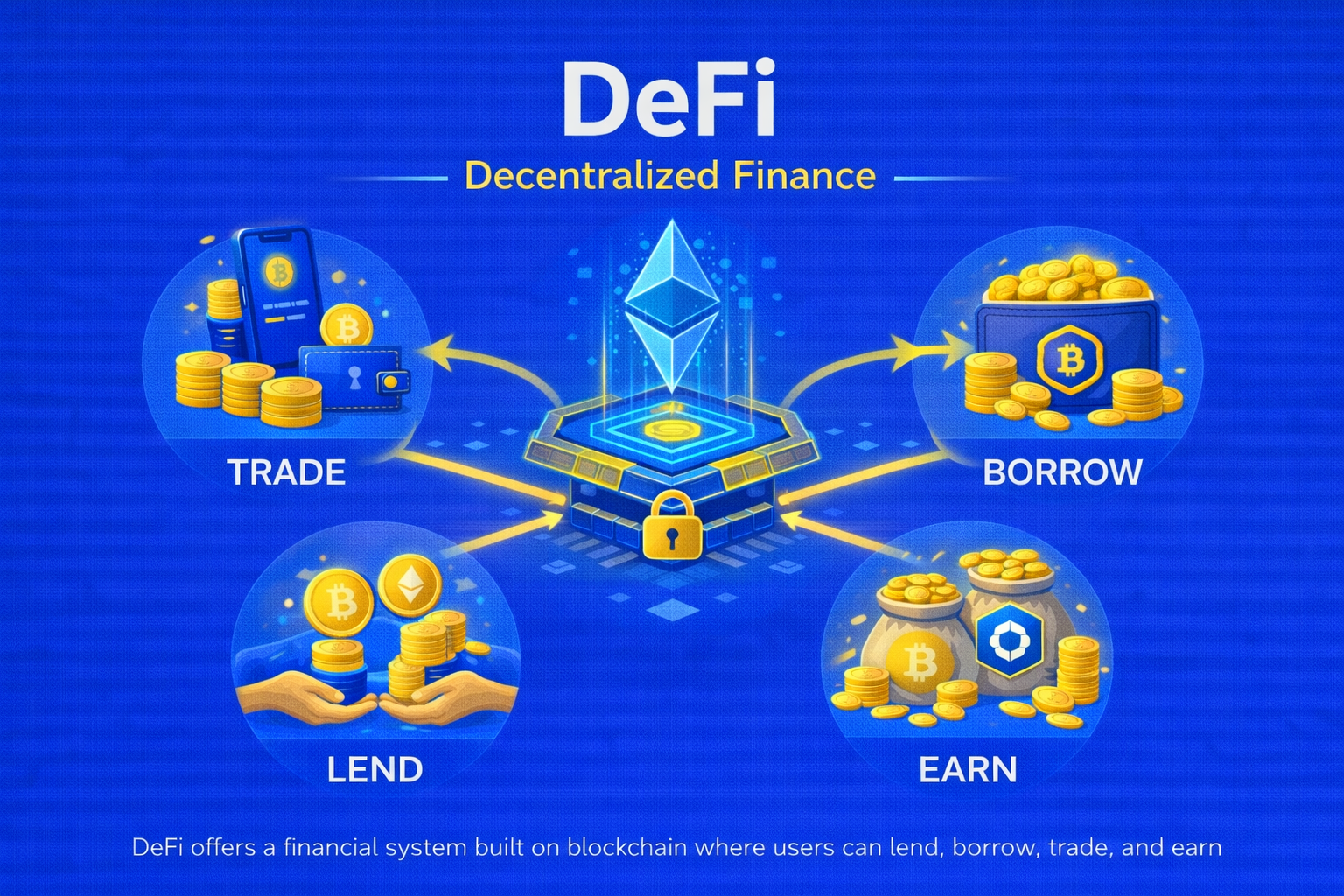
What Is DeFi?
Decentralized Finance, or DeFi in short, is a blockchain-based financial ecosystem that recreates and enhances traditional banking (TradFi) services through smart contracts and automated protocols, without the need for any intermediary financial service.
It eliminates the need for centralized intermediaries like banks, brokers, or clearinghouses by automating TradFi services and replicating them on-chain.
Built primarily on programmable blockchains like Ethereum, Solana, Tron and EVM-compatible chains, DeFi enables global, permissionless access to financial services including lending, borrowing, trading, earning yield, and creating synthetic assets, all while users maintain self-custody of their funds throughout interactions.
DeFi first came to prominence during 2020’s DeFi summer, which was kickstarted by Compound (COMP)‘s revolutionary staking rewards, and has been an integral part of crypto and Web3 since. However, DeFi’s smart contract vulnerabilities have led to billions in losses, including hacks and scams like rugpulls, wallet drainers and flash loan attacks.
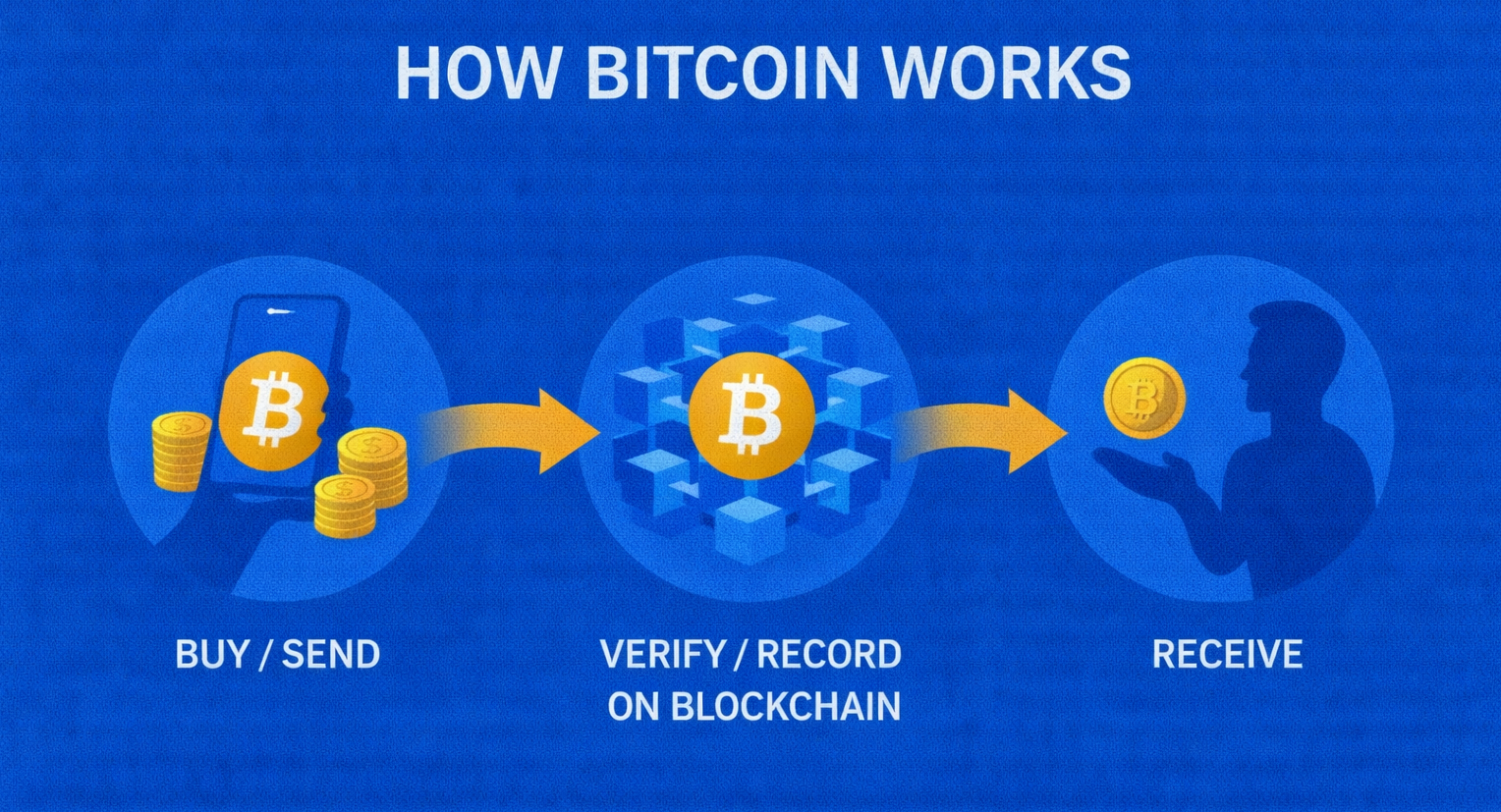
How It Works
DeFi protocols operate through smart contracts that automate financial services traditionally provided by institutions. They use complex algorithms and mathematical formulas to seamlessly manage liquidity, calculate interest rates, and execute trades without human intervention.
Users interact with these protocols through Web3 wallets to participate in activities like providing liquidity to automated market makers (AMM) for trading fees, lending assets to earn interest, borrowing against collateral, or staking tokens for governance rights and rewards, all while transactions are recorded transparently on blockchain networks.
DeFi Key Facts
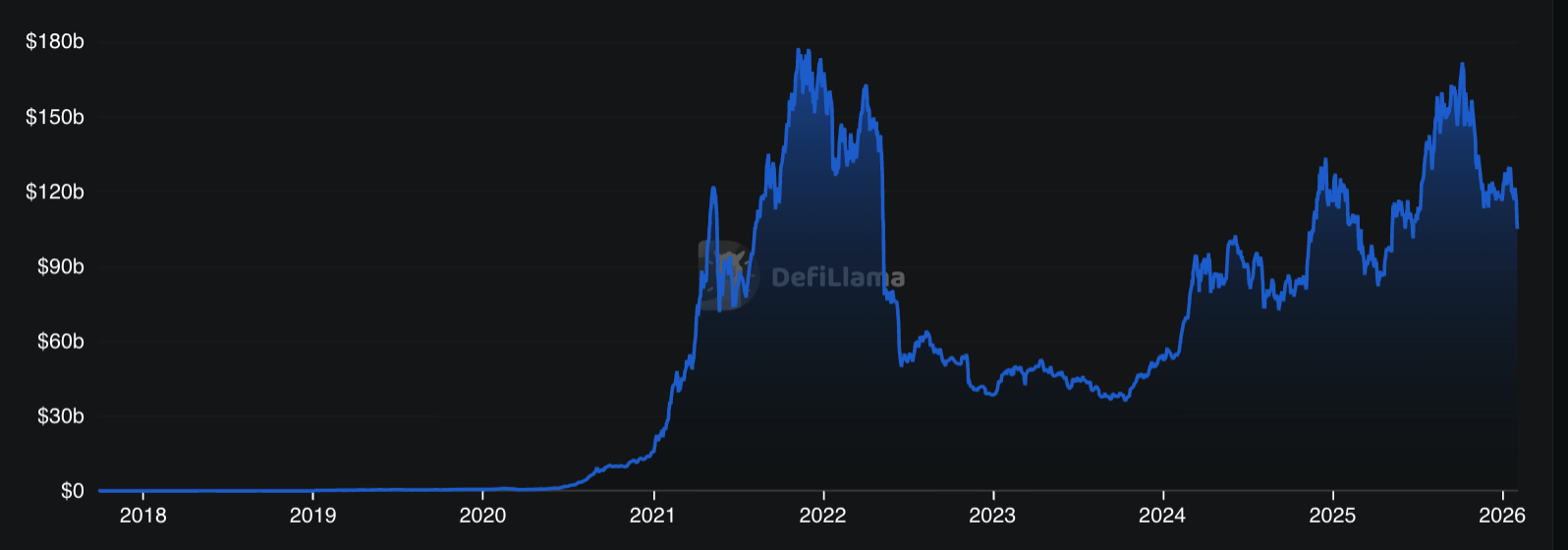
- DeFi grew from under $1 billion to a crazy $200 billion total value locked at its peak
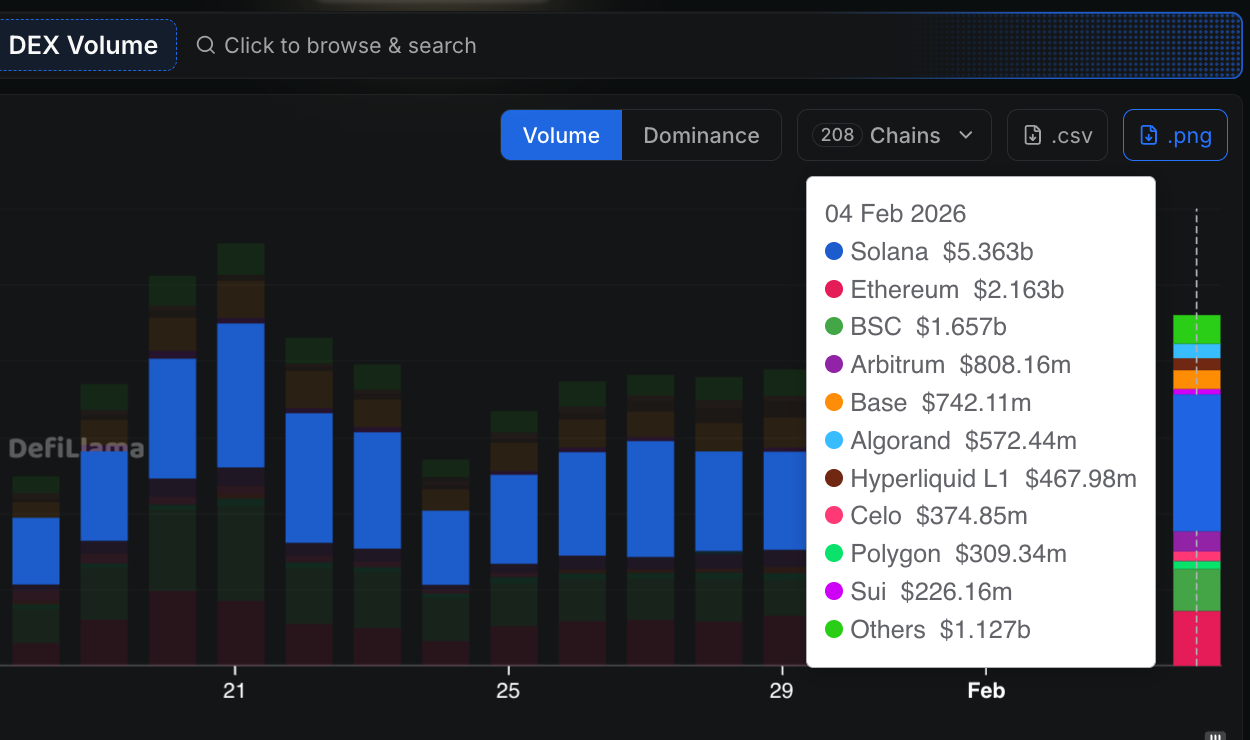
- Decentralized exchanges like Uniswap and Raydium process billions in trading volume monthly through automated market makers
- Users earn yield by providing liquidity but face risks like impermanent loss and smart contract exploits
- New DeFi-native chains like Hyperliquid pose a real existential threat to centralized exchanges
Major DeFi protocols like Aave and Compound have facilitated billions in lending, but numerous flash loan attacks and governance manipulations show how important it is to use established, audited protocols over experimental platforms. Learn more in our crypto wallet drainers guide.
Written by:
Werner Vermaak is a Web3 author and crypto journalist with a strong interest in cybersecurity, DeFi, and emerging blockchain infrastructure. With more than eight years of industry experience creating over 1000 educational articles for leading Web3 teams, he produces clear, accurate, and actionable organic material for crypto users.
- •8+ years in crypto & blockchain journalism
- •1000+ educational articles for leading Web3 teams
- •Former content lead at CoinMarketCap, Bybit, OKX
Related Terms
See more glossary terms

Install once & immediately get protected from scams, phishing and hacks. Zero losses for 250k+ users in 3 years. Now with up to $30,000 in coverage.