Ethereum
Ethereum is a decentralized blockchain platform that enables smart contracts and dApps through its programmable virtual machine.
What Is Ethereum?
Ethereum is a decentralized blockchain platform that enables smart contracts and decentralized applications (dApps) through its programmable virtual machines.
The Eth network has spawned many of crypto’s biggest chains, and is today still the foundation for most of the DeFi ecosystem, NFT markets, and Web3 applications, despite being chased for years by so-called Ethereum Killers like Solana, Sui and Cardano.
Launched in 2015 by Vitalik Buterin, Ethereum introduced the concept of a “world computer” where developers can deploy autonomous programs that execute exactly as written without downtime, censorship, fraud, or third-party interference.
How It Works
Ethereum operates through a global network of validators who process transactions and execute smart contracts written in Solidity or other compatible programming languages, with the Ethereum Virtual Machine (EVM) providing a standardized environment for code execution.
The network transitioned from energy-intensive Proof of Work (like Bitcoin) to Proof of Stake in 2022 through “The Merge,” reducing energy consumption by 99% while maintaining security through validator staking of ETH tokens.
Gas fees paid in ETH compensate validators for computational resources required to process transactions and smart contract operations.
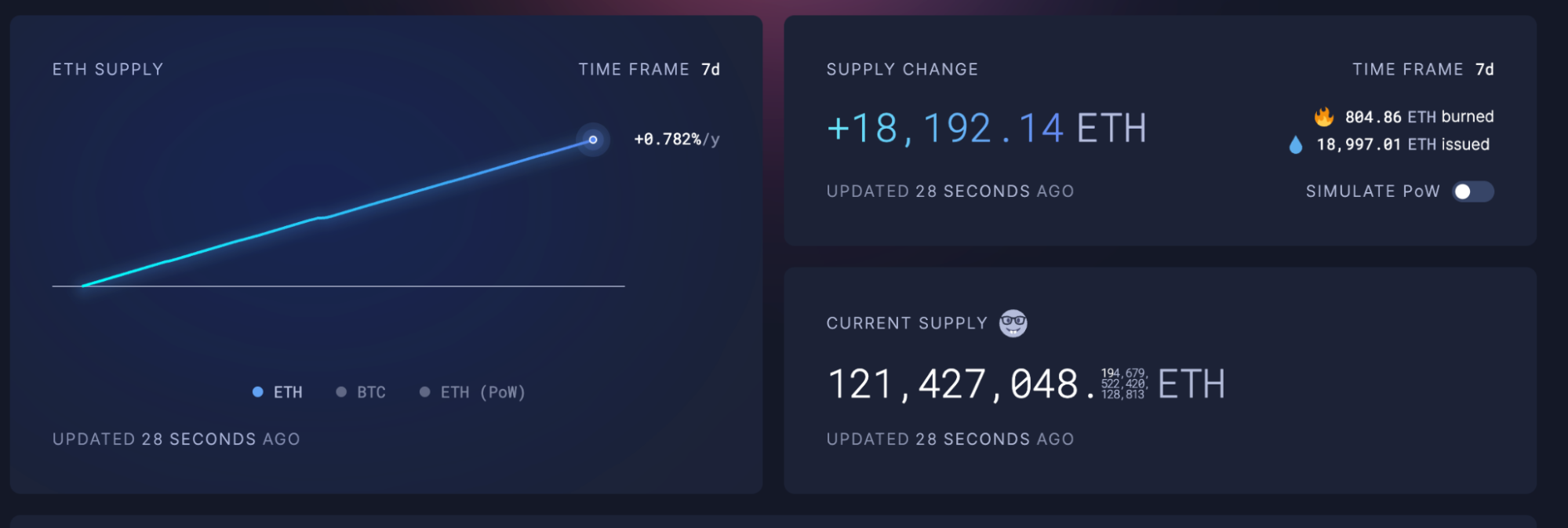
Ethereum’s London upgrade in 2022 introduced the pivotal EIP-1557 upgrade, which replaced first-price auctions with a base fee (algorithmically burned) plus optional priority fees (tips to validators). This “burn” mechanism potentially made ETH deflationary, especially in busy periods.
Key Ethereum Facts
- The 2022 Merge reduced Ethereum’s energy consumption by 99.9% while maintaining security
- Gas fees fluctuate based on network demand, ranging from under $1 to over $100 during congestion
- The DAO hack in 2016 exploited a smart contract vulnerability to drain $50 million and ultimately led to Ethereum’s controversial hard fork, which raised questions about the immutability and centralization of blockchains. It remains a defining moment that shaped modern smart contract security practices.
Written by:
Werner Vermaak is a Web3 author and crypto journalist with a strong interest in cybersecurity, DeFi, and emerging blockchain infrastructure. With more than eight years of industry experience creating over 1000 educational articles for leading Web3 teams, he produces clear, accurate, and actionable organic material for crypto users.
- •8+ years in crypto & blockchain journalism
- •1000+ educational articles for leading Web3 teams
- •Former content lead at CoinMarketCap, Bybit, OKX
Related Terms
See more glossary terms
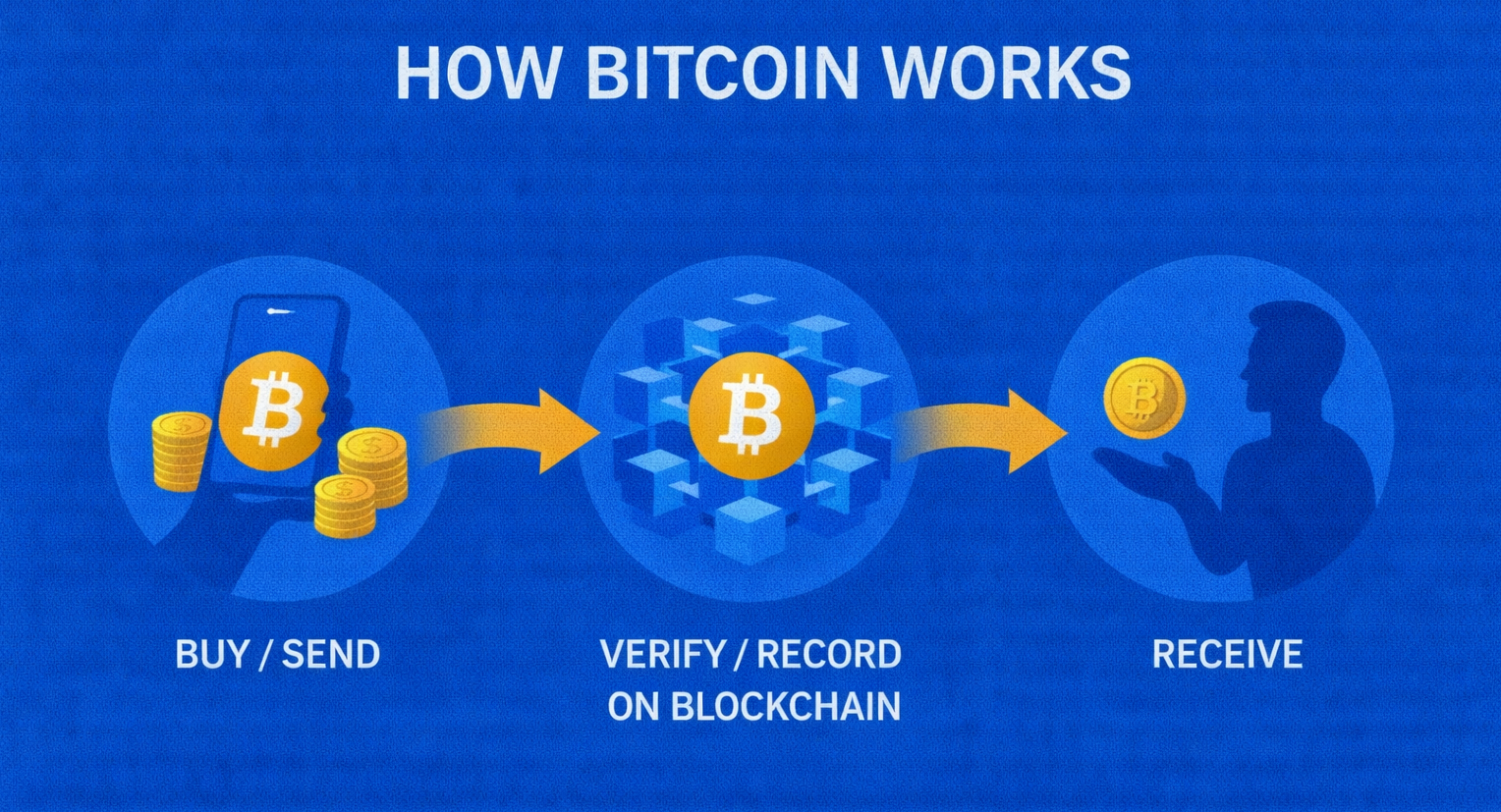
Install once & immediately get protected from scams, phishing and hacks. Zero losses for 250k+ users in 3 years. Now with up to $30,000 in coverage.