Malware
Malware is malicious software designed to infiltrate devices, steal data, or gain unauthorized control. In crypto, malware often targets private keys and wallets.
What Is Malware?
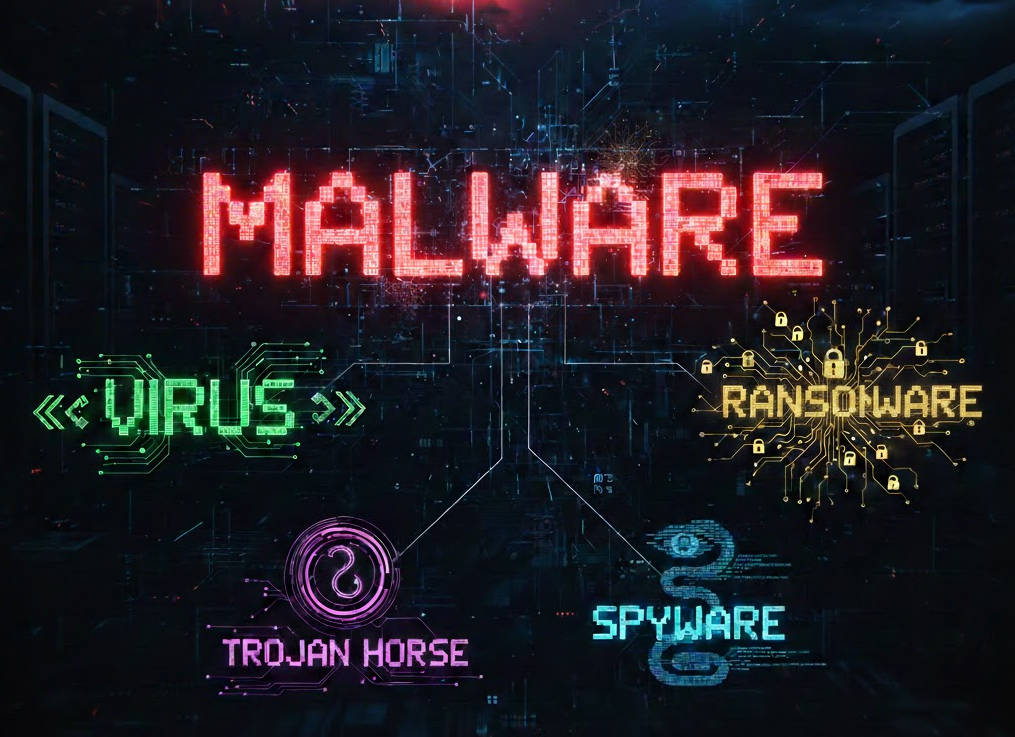
Simply put, malware is malicious software designed to infiltrate devices, steal data, or gain unauthorized control. In crypto, malware often successfully targets private keys, wallet sessions, browser extensions, and transaction signing, resulting in the loss of billions of dollars over the years.
How It Works
Crypto malware includes keyloggers, clipboard hijackers, browser injectors, and trojans embedded in cracked software or fake updates. Some variants replace copied wallet addresses (address poisoning), while others inject malicious code into Web3 front ends.
Because blockchain transactions are irreversible, malware-driven theft often results in permanent loss. Malware commonly works alongside Web3 social engineering, front-end compromise, and crypto wallet drainer campaigns.
How to Protect Yourself
- Avoid pirated software and unverified browser extensions
- Use hardware wallets to isolate private keys
- Keep operating systems and browsers up to date
- Use a Web3 security tool like Kerberus for real-time protection
Written by:
Werner Vermaak is a Web3 author and crypto journalist with a strong interest in cybersecurity, DeFi, and emerging blockchain infrastructure. With more than eight years of industry experience creating over 1000 educational articles for leading Web3 teams, he produces clear, accurate, and actionable organic material for crypto users.
- •8+ years in crypto & blockchain journalism
- •1000+ educational articles for leading Web3 teams
- •Former content lead at CoinMarketCap, Bybit, OKX
Related Terms
See more glossary terms

Install once & immediately get protected from scams, phishing and hacks. Zero losses for 250k+ users in 3 years. Now with up to $30,000 in coverage.