Solana
Solana is a Top 10 ranked high-performance layer-1 blockchain designed for fast, low-cost transactions using Proof of Stake and Proof of History.
What Is Solana?
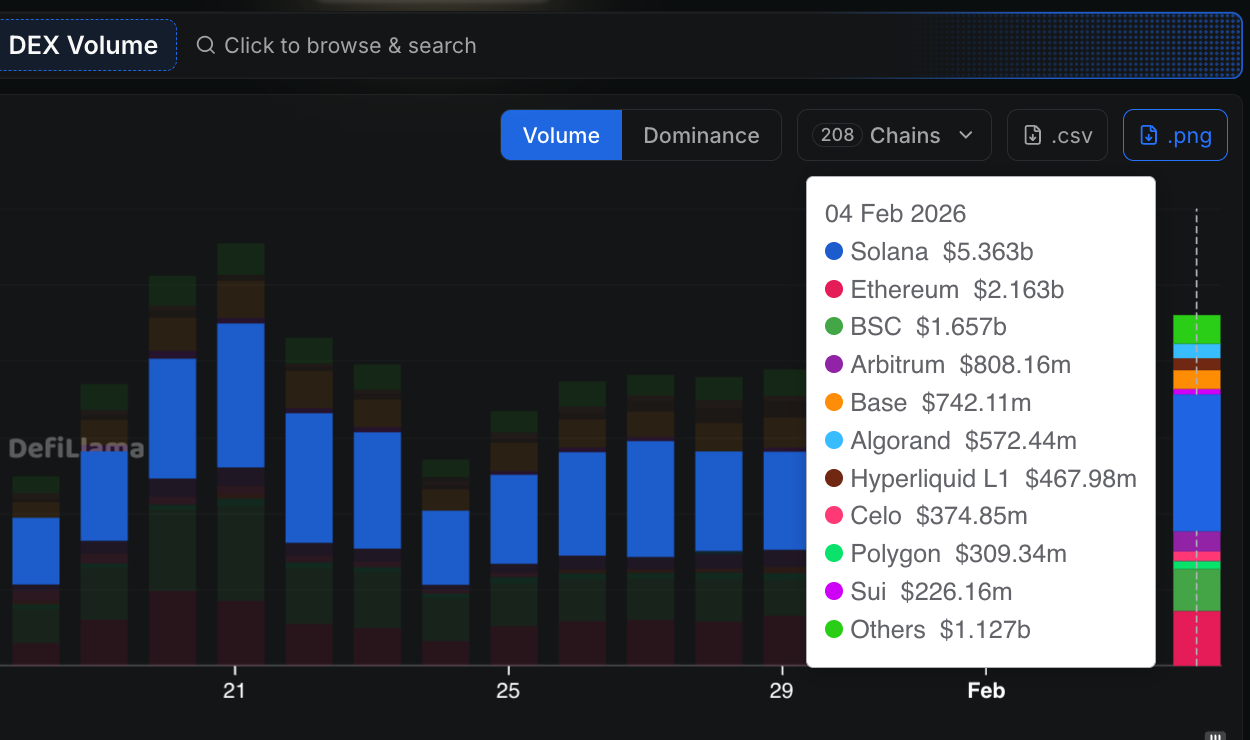
Solana is a Top 10 ranked high-performance layer-1 blockchain (which means it is its own chain and not built on another like Arbitrum on Ethereum). This lightning-quick chain is designed for fast, low-cost transactions. It uses a unique combination of Proof of Stake and Proof of History to achieve high throughput, supporting DeFi, NFTs, and consumer-focused Web3 applications.
Solana was founded in 2017 by Anatoly Yakovenko, a former Qualcomm engineer, who published a whitepaper introducing his Proof of History concept. Raj Gokal later joined as COO to lead business operations, and Solana Labs officially launched the mainnet in March 2020. The chain’s name was inspired by Solana Beach in California, where the founders frequently surfed and developed their vision.
Solana has a thriving ecosystem that supports thousands of projects and cryptocurrencies built on its SPL standard.
In 2025 Kerberus rolled out Solana support for its Sentinel3 real-time browser extension to protect Solana users against Web3 threats such as address poisoning and phishing.
How It Works
Solana’s architecture enables parallel transaction processing, allowing thousands of transactions per second. This speed benefits users but also compresses attack timelines.
Proof of History (PoH) is a cryptographic “decentralized clock” that allows the network to agree on the time and order of transactions before they are validated, dramatically increasing speed and reducing latency.
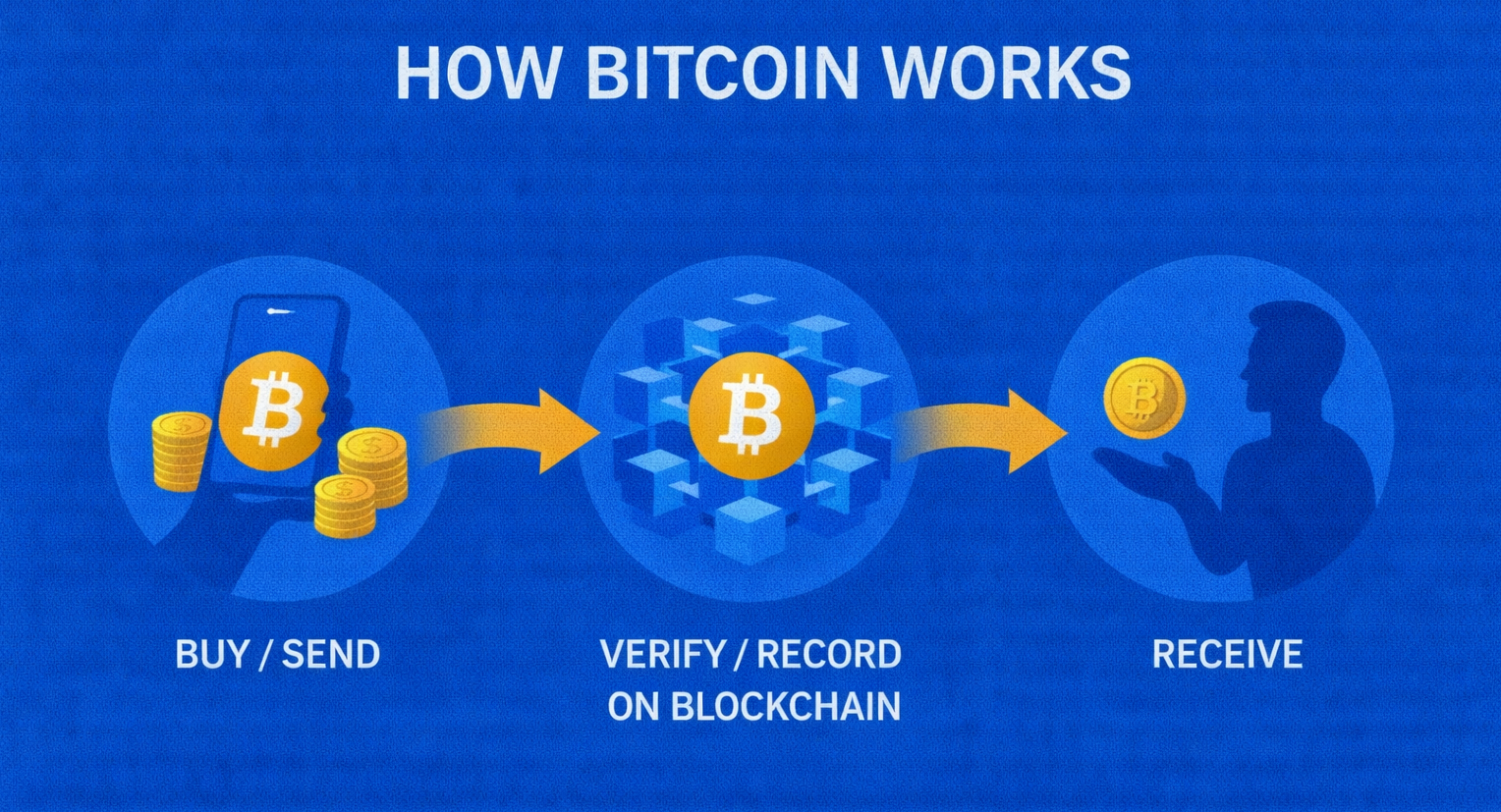
Think of it as a timestamping mechanism—the breakthrough innovation in Bitcoin’s whitepaper—that generates a sequence of hashes, where each depends on the last, proving that a specific amount of time has passed, rather than making miners waste energy competing on when something happened. In contrast, Bitcoin uses Proof of Work (PoW), where miners solve complex, energy-intensive puzzles to prove validity, causing it to have much slower, roughly 10-minute, block times.
Solana’s account model and program execution differ from EVM chains, and requires chain-specific security awareness and protection by the likes of the Kerberus browser extension. High activity and retail adoption by traders buying and selling meme coins and NFTs make it an attractive target for Web3 phishing, fake airdrop scams, and malicious approvals.
How to Protect Yourself
- Verify dApps and links before connecting a Web3 wallet
- Be cautious of unsolicited NFT mints or airdrops
- Understand common Solana-specific scam patterns
- Use Kerberus Sentinel3 to protect against threats in real-time
Written by:
Werner Vermaak is a Web3 author and crypto journalist with a strong interest in cybersecurity, DeFi, and emerging blockchain infrastructure. With more than eight years of industry experience creating over 1000 educational articles for leading Web3 teams, he produces clear, accurate, and actionable organic material for crypto users.
- •8+ years in crypto & blockchain journalism
- •1000+ educational articles for leading Web3 teams
- •Former content lead at CoinMarketCap, Bybit, OKX
Related Terms
See more glossary terms
Install once & immediately get protected from scams, phishing and hacks. Zero losses for 250k+ users in 3 years. Now with up to $30,000 in coverage.